
Sports has never made more millionaires — or billionaires — than it does right now. Between record-breaking contracts, global endorsement deals, and athletes turning their personal brands into full-blown companies, the line between “sports star” and “business mogul” has almost disappeared.
But here’s the thing most rankings get wrong: being the highest-paid athlete this year is not the same as being the richest athlete of all time. A huge annual paycheck can vanish just as fast as it arrives. Real wealth comes from what an athlete builds around that paycheck — equity, royalties, real estate, and companies that keep paying long after the final whistle.
This guide breaks down the top 10 richest athletes in the world in 2026, ranked by estimated net worth rather than one-year earnings, based on publicly reported figures from Forbes, Bloomberg, and Sportico-style estimates. We’ll also look at how each of them actually built their fortune, and what separates a rich athlete from a truly wealthy one.
Note: Athlete net worth is always an estimate. Private business stakes, real estate, and deferred contracts aren’t fully public, so figures below should be treated as informed approximations, not exact bank balances.
Net Worth vs. Annual Earnings: What’s the Difference?
Before diving into the list, it helps to understand two numbers that get mixed up constantly:
- Annual earnings — what an athlete made in the last 12 months from salary, prize money, and endorsements. This is what Forbes’ “highest-paid athletes” list measures.
- Net worth — total accumulated wealth, including business ownership, investments, real estate, and past earnings, minus debts.
A player can top the annual earnings list without coming close to the richest athletes list, and vice versa. Cristiano Ronaldo, for example, is currently the highest-paid athlete in the world by yearly income, yet Michael Jordan — who hasn’t played professionally in over two decades — still holds a far bigger net worth.
Top 10 Richest Athletes in the World 2026 (Quick List)
| Rank | Athlete | Sport | Estimated Net Worth (2026) | Primary Wealth Source |
| 1 | Michael Jordan | Basketball (Retired) | $3.5 billion | Jordan Brand royalties, Hornets sale |
| 2 | Vince McMahon | Wrestling/Media | $3.2 billion | WWE, TKO Group Holdings |
| 3 | Tiger Woods | Golf | $2 billion | Endorsements, course design, TGR brand |
| 4 | Magic Johnson | Basketball (Retired) | $1.6 billion | Real estate, Starbucks franchises, team stakes |
| 5 | LeBron James | Basketball | $1.4 billion | Nike lifetime deal, SpringHill, Fenway Sports Group |
| 6 | Cristiano Ronaldo | Football/Soccer | $1.3 billion | Al-Nassr salary, CR7 brand, hotels |
| 7 | Lionel Messi | Football/Soccer | $1 billion | Adidas lifetime deal, Inter Miami, Apple revenue-share |
| 8 | Roger Federer | Tennis (Retired) | $900 million+ | On (sportswear) equity stake, endorsements |
| 9 | Dwayne “The Rock” Johnson | Wrestling/Entertainment | $800 million | Teremana Tequila, film career, UFL stake |
| 10 | Floyd Mayweather | Boxing (Retired) | $600 million+ | Fight purses, self-promotion, business ventures |
Figures are rounded estimates compiled from public reporting and may vary by source and valuation method.
Detailed Profiles: How Each Athlete Built Their Fortune
1. Michael Jordan — $3.5 Billion
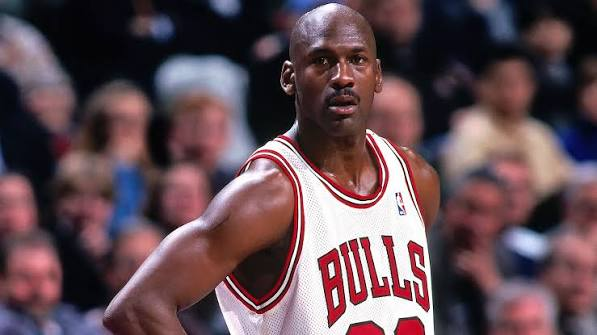
Michael Jordan hasn’t taken an NBA paycheck since 2003, yet he sits comfortably at the top of the richest athletes list. His NBA salary made him a global icon, but it’s not what made him rich.
- Jordan Brand: His partnership with Nike, now a standalone billion-dollar brand under the Nike umbrella, pays him ongoing royalties on every pair of Air Jordans sold worldwide.
- Charlotte Hornets sale: Jordan bought a majority stake in the Hornets in 2010 and sold it in 2023 for a massive profit, instantly adding hundreds of millions to his net worth.
- Other ventures: Restaurant chains, a NASCAR team (23XI Racing), and various endorsement deals round out his portfolio.
Jordan is proof that a strong personal brand can outlive an athletic career by decades.
2. Vince McMahon — $3.2 Billion
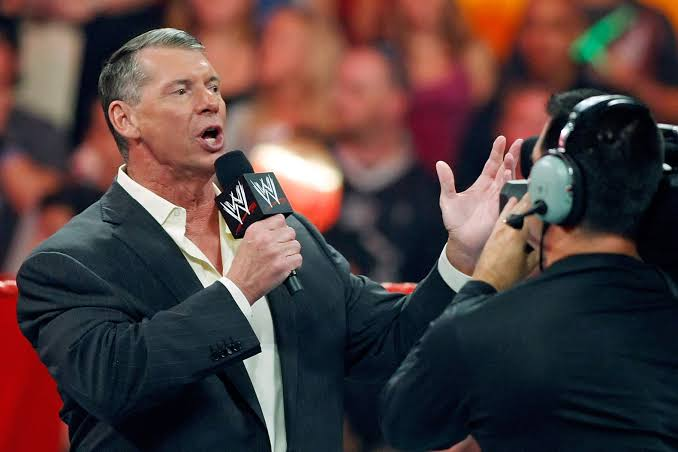
Vince McMahon isn’t a traditional athlete, but he’s a fixture on richest athletes lists because of his role in building World Wrestling Entertainment from a regional promotion into a global media company.
- Turned WWE into a publicly traded entertainment powerhouse
- Merged WWE with UFC to form TKO Group Holdings
- Retains a large personal stake in the combined company
His story shows how sports entertainment, not just competitive sport, can produce billionaire-level wealth.
3. Tiger Woods — $2 Billion
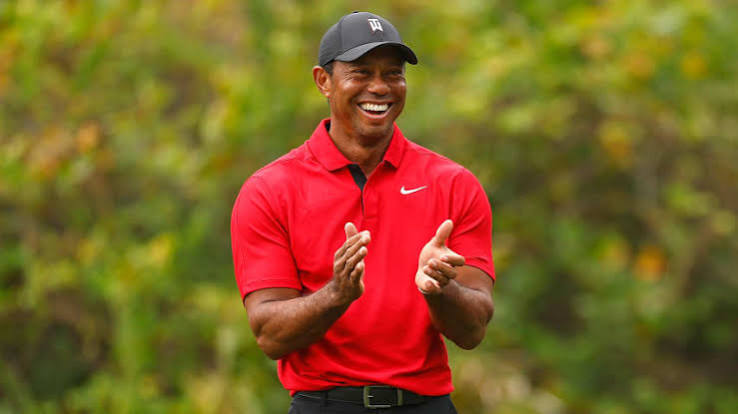
Golf isn’t known for massive prize money compared to other sports, and that’s exactly what makes Tiger Woods’ fortune remarkable. Tournament winnings account for a small slice of his total wealth.
- Endorsements: Decades-long relationships with brands like Rolex and Bridgestone
- Sun Day Red: His own apparel line, launched after splitting from Nike
- Course design fees: Woods has designed golf courses around the world, adding a steady consulting income stream
Woods has stayed commercially relevant across three decades, which is rare in sports and a major reason his wealth kept compounding even through injury-plagued seasons.
4. Magic Johnson — $1.6 Billion
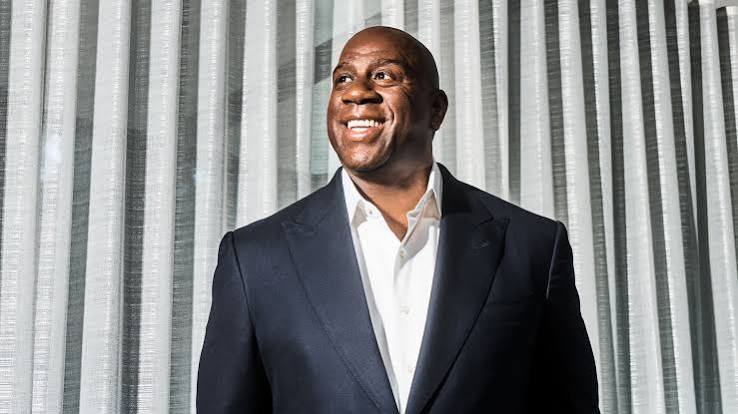
Magic Johnson retired from the NBA in the early 1990s, but his post-career business instincts turned him into one of the wealthiest former athletes on the planet.
- Brought Starbucks franchises into underserved urban neighborhoods
- Held ownership stakes in the LA Dodgers, LA Sparks, and LAFC
- Built a diversified real estate and equity portfolio
Johnson is often cited as the textbook example of an athlete who transitioned from “paid endorser” to “business owner.”
5. LeBron James — $1.4 Billion
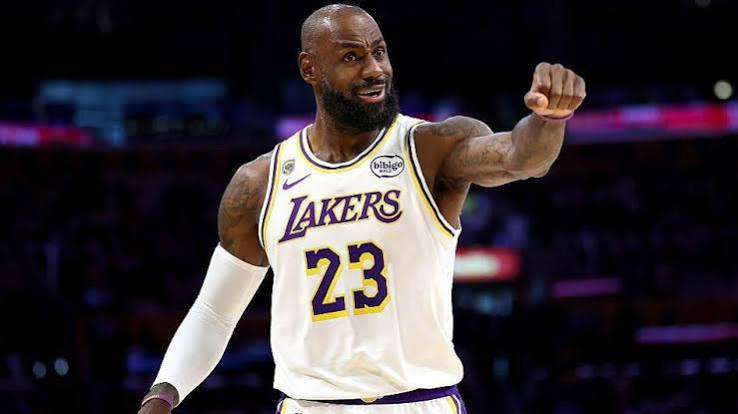
LeBron James became the first active NBA player to reach billionaire status, and he’s still adding to that total every season.
- Nike lifetime deal: One of the richest athlete-brand partnerships in history
- SpringHill Company: His media and production company behind projects like Space Jam: A New Legacy
- Fenway Sports Group: An equity stake in the group that owns the Boston Red Sox and Liverpool FC
James has openly focused on “chasing generational wealth,” and his business decisions reflect a long-term ownership mindset rather than short-term endorsement checks.
6. Cristiano Ronaldo — $1.3 Billion
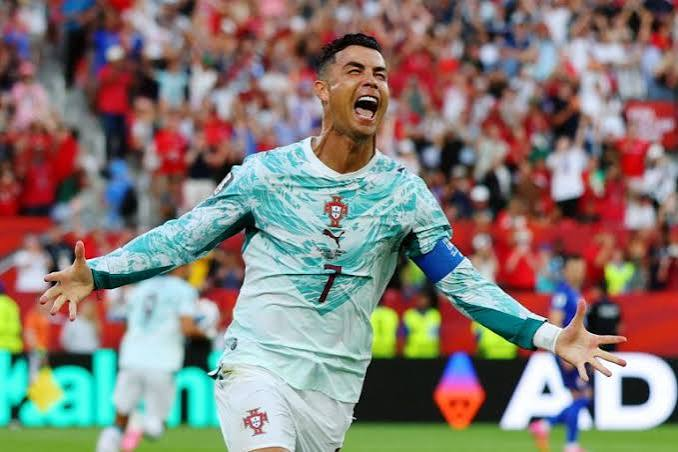
Cristiano Ronaldo currently earns more in a single year than almost any athlete in history, and his net worth has followed suit.
- Al-Nassr salary: A reported on-field salary north of $200 million annually
- CR7 brand: Spans fragrances, underwear, and the Pestana CR7 hotel chain
- Digital reach: A social media following in the hundreds of millions that fuels sponsorship value far beyond football
Ronaldo’s move to the Saudi Pro League reshaped what an athlete’s peak earning years can look like, especially late in a playing career.
7. Lionel Messi — $1 Billion
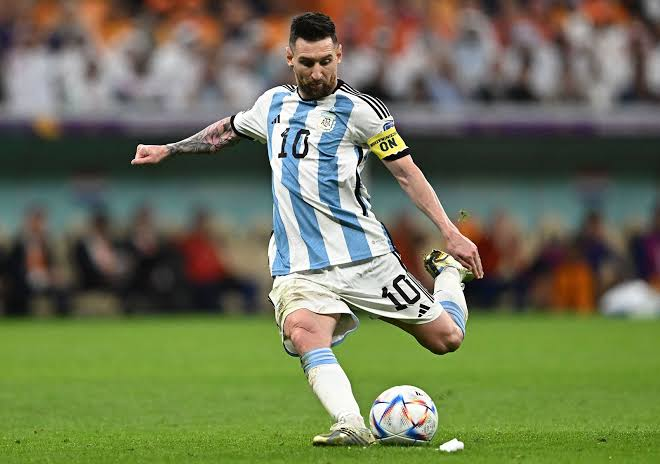
Lionel Messi’s path to billionaire status has been steadier and more gradual than Ronaldo’s, built on long-term partnerships rather than one blockbuster contract.
- Adidas lifetime deal: A partnership that began early in his career and continues to pay dividends
- Inter Miami: His MLS contract includes performance bonuses and reported ownership incentives
- Apple revenue-share: A unique streaming deal tied to MLS Season Pass subscriptions
Messi and Ronaldo remain the two highest-earning footballers in history by cumulative income, even as their wealth-building strategies differ.
8. Roger Federer — $900 Million+
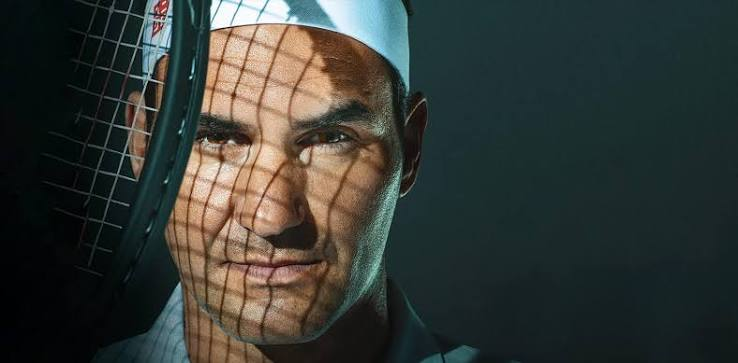
Roger Federer’s fortune tells a different story than most athletes on this list — tennis prize money was never the main driver.
- Career ATP prize money totaled around $130 million, a fraction of his total wealth
- A significant early equity stake in Swiss sportswear brand On turned into a massive payout as the company grew
- Long-running endorsement deals with luxury brands added consistent income
Federer’s case shows how a single smart equity decision can outperform an entire competitive career’s earnings.
9. Dwayne “The Rock” Johnson — $800 Million
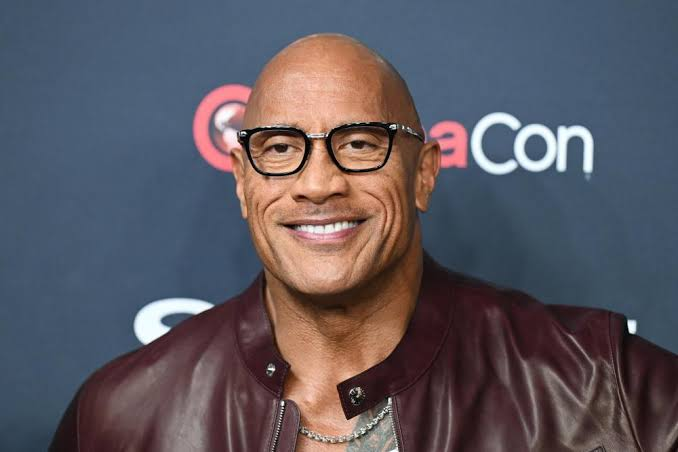
Dwayne Johnson’s path from professional wrestling to Hollywood to entrepreneurship makes him one of the most diversified names on this list.
- Built a film career as one of Hollywood’s highest-paid actors
- Founded Teremana Tequila, a consumer brand that drove significant equity value
- Holds a co-ownership stake in the UFL football league
Johnson’s story is less about a single sport and more about turning fame into a repeatable business formula.
10. Floyd Mayweather — $600 Million+
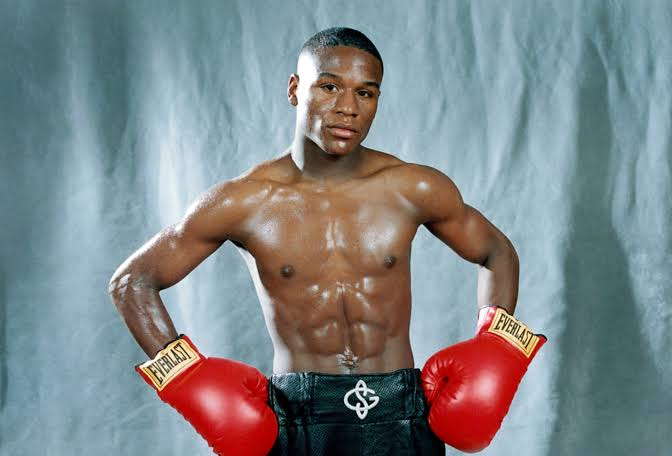
Floyd Mayweather built his wealth almost entirely through boxing, but the way he did it set him apart from most fighters.
- Controlled his own promotional rights instead of relying solely on promoters
- Set pay-per-view earnings records, including his 2017 fight against Conor McGregor
- Continues to earn through exhibition bouts and business ventures outside the ring
Mayweather’s “Money” persona wasn’t just marketing — it reflected an unusually business-savvy approach to a sport where most fighters see only a fraction of the revenue they generate.
Richest Athletes by Sport
| Sport | Top Athlete | Estimated Net Worth |
| Basketball | Michael Jordan | $3.5 billion |
| Golf | Tiger Woods | $2 billion |
| Football/Soccer | Cristiano Ronaldo | $1.3 billion |
| Tennis | Roger Federer | $900 million+ |
| Wrestling/Entertainment | Vince McMahon | $3.2 billion |
| Boxing | Floyd Mayweather | $600 million+ |
How the Richest Athletes Actually Build Their Wealth
Looking across this list, a clear pattern emerges. The athletes at the very top rarely got there through salary alone. Here’s what separates the merely rich from the genuinely wealthy:
- They demand equity, not just endorsement checks. Federer’s stake in On and Jordan’s Nike royalties pay out far longer than any single contract.
- They own businesses instead of renting their image. Magic Johnson, Dwayne Johnson, and Mayweather all built companies rather than just appearing in ads.
- They diversify beyond their sport. Real estate, media companies, restaurant chains, and tech investments show up across almost every profile on this list.
- They play the long game. Tiger Woods and Roger Federer both stayed commercially relevant for decades after their athletic peak.
- They negotiate lifetime deals early. LeBron and Messi both locked in brand partnerships years before reaching billionaire status, letting the value compound over time.
Notable Mentions: Athletes Close to the Top 10
A few names deserve a mention even though they didn’t crack the top 10:
- David Beckham — Combined net worth with wife Victoria Beckham estimated around $450–700 million, driven by endorsements and MLS ownership incentives with Inter Miami.
- Junior Bridgeman — A former NBA role player who built a fast-food franchise empire worth well over a billion dollars, proving that fame isn’t a requirement for serious wealth.
- Anna Kasprzak — A Danish dressage rider whose billion-dollar net worth comes largely from her family’s ECCO footwear business rather than competition earnings.
- Shohei Ohtani — His current on-field earnings are modest due to a heavily deferred contract structure, but his long-term financial upside is considered among the highest in sports.
Richest Female Athletes: A Different Financial Path
Women’s sports wealth works a little differently, and it’s worth a quick look on its own.
- Anna Kasprzak, a Danish dressage rider, is often cited as the wealthiest female athlete, with an estimated $1 billion net worth. Most of that comes from her family’s ownership of ECCO, the global footwear brand, rather than prize money.
- Serena Williams is widely regarded as the wealthiest self-made female athlete, having built a venture capital portfolio, Serena Ventures, alongside her tennis earnings and endorsement deals.
- On the current earnings side, tennis stars like Coco Gauff and Aryna Sabalenka have pushed past $25–33 million in a single year, showing how quickly women’s sports earnings are catching up.
Industry projections suggest women’s elite sports revenue is climbing fast, and a record number of female athletes are now clearing eight figures annually through salaries, prize money, and endorsements combined. That growth hasn’t yet produced a female athlete inside the men’s top 10 by total net worth, but the gap is closing faster than at any point in sports history.
Common Myths About Athlete Wealth
A lot of misinformation floats around when people talk about “the richest athletes.” Here are a few things worth clearing up:
- Myth: The highest-paid athlete is automatically the richest. Not true. Annual income and total net worth measure completely different things, as Ronaldo and Jordan prove.
- Myth: Retired athletes stop earning. Several names on this list, including Jordan, Woods, and Federer, are no longer active competitors yet still generate substantial income through royalties and equity.
- Myth: Prize money is the main source of wealth. For most athletes on this list, prize money or salary makes up a relatively small share of total net worth compared to endorsements and business ownership.
- Myth: A big contract guarantees lasting wealth. Without smart investment and brand-building, even a nine-figure contract can fail to produce long-term financial security. Poor money management has derailed plenty of high-earning careers that never made it onto lists like this one.
What Aspiring Athletes Can Learn From This List
You don’t need a $200 million contract to apply the lessons from this list. The underlying principles scale down just as well as they scale up:
- Build a name, not just a highlight reel. Personal branding creates income streams a playing contract alone never will.
- Negotiate for equity when possible. Even a small ownership stake in a growing company can eventually outperform a salary.
- Diversify early. Waiting until retirement to think about business ventures is a common and costly mistake.
- Protect what you earn. Smart tax planning and financial management matter as much as the size of the paycheck itself.
Why This List Looks Different From “Highest-Paid Athlete” Rankings
It’s worth repeating: this is not a list of who earned the most money in the past year. Cristiano Ronaldo currently tops the annual earnings charts, but Michael Jordan’s net worth is still more than double his. That gap exists because:
- Jordan’s income comes from decades of compounding brand royalties, not a single playing contract
- Team ownership stakes (like Jordan’s Hornets sale) can generate a windfall far bigger than years of salary
- Retired athletes often have less overhead and more time to manage investments actively
In short, annual earnings measure a moment. Net worth measures a career — and everything built around it.
Frequently Asked Questions
Who is the richest athlete in the world in 2026?
Michael Jordan holds the top spot with an estimated net worth of $3.5 billion, driven mainly by Nike’s Jordan Brand royalties.
Is Cristiano Ronaldo the richest athlete in the world?
No. Ronaldo is the highest-paid athlete by annual earnings, but his estimated $1.3 billion net worth ranks him behind Jordan, Vince McMahon, Tiger Woods, Magic Johnson, and LeBron James.
How did Michael Jordan become the richest athlete?
Most of his wealth comes from Jordan Brand royalties through Nike and the profitable sale of his majority stake in the Charlotte Hornets, not his NBA salary.
Is LeBron James a billionaire?
Yes. LeBron James became the first active NBA player to reach billionaire status, with wealth built through his Nike lifetime deal, SpringHill Company, and Fenway Sports Group stake.
What sport has the richest athletes overall?
Basketball and golf currently dominate the top of the richest athletes list, though wrestling and combat sports also produce billionaire-level fortunes through media rights and self-promotion.
Do the richest athletes make most of their money from playing?
No. Most build the bulk of their wealth through endorsements, business ownership, equity stakes, and investments made during and after their playing careers.
Is Lionel Messi a billionaire?
Messi’s net worth is estimated at around $1 billion, built through his Adidas lifetime deal, Inter Miami contract, and Apple revenue-share agreement.
How is athlete net worth different from career earnings?
Career earnings only count salary and prize money won during competition, while net worth includes business ventures, investments, real estate, and endorsement income accumulated over a lifetime.
Final Thoughts
The richest athletes in the world in 2026 didn’t get there by scoring the most points, hitting the hardest, or winning the most titles. They got there by treating their fame as a long-term asset instead of a short-term paycheck. Michael Jordan’s Nike partnership, Tiger Woods’ decades of relevance, and LeBron James’ media empire all point to the same lesson: the biggest fortunes in sports are built off the field, not on it.
As new stars like Ronaldo, Messi, and Shohei Ohtani continue to climb, the next decade could reshuffle this list entirely — but the underlying formula for getting there is unlikely to change.

Passionate celebrity content writer and entertainment enthusiast, dedicated to sharing accurate insights on celebrities, their careers, lifestyles, net worth, and latest updates. Committed to delivering engaging and informative content for readers worldwide.
